
Most travel guides to Germany follow the same pattern. Berlin, Munich, castles, beer, repeat. It works, but it also feels predictable after a while. If you want something different, you have to shift how you think about the country. Not bigger attractions, just better choices.
Germany is full of places that don’t try to impress you right away. Smaller towns, strange landscapes, overlooked regions. Once you step outside the usual routes, the experience changes. It feels less like sightseeing and more like being somewhere real.
This guide focuses on that kind of travel. Not perfect, not polished, just interesting enough to stay with you.
Stop Chasing Famous Cities
Most people build their trip around the biggest names. That’s fine, but it limits what you actually see. Germany has depth outside its main cities, and that’s where things get more personal.
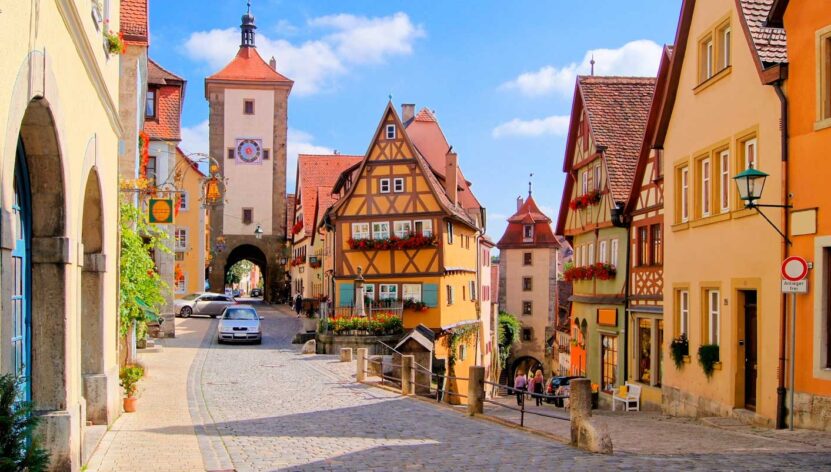
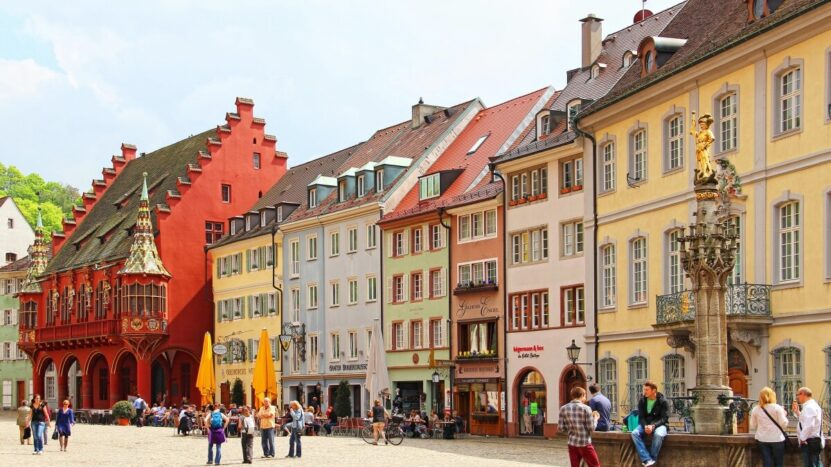
In places like Erfurt or Bamberg, you notice how everyday life shapes the place. Less pressure to perform for visitors, more room to just walk and observe. These towns often keep their historic structure without feeling staged, which is rare.
Some travelers also look for more tailored experiences beyond standard tourism. Whether that means curated local tours or more private arrangements through services like Louisa, it reflects a broader shift toward personalized travel choices.
- Smaller crowds make movement easier
- Local businesses dominate instead of chains
- You get a clearer sense of daily routines
Germany feels different when you stop chasing highlights.
Nature Without the Crowds
Germany’s natural areas are often overlooked in favor of cities, which is a mistake. Some of the most distinct experiences happen outside urban spaces.
Take the Saxon Switzerland National Park. It’s close to Dresden, but it feels far removed. Sandstone formations, hiking trails, and viewpoints that don’t require much planning. It’s accessible without being crowded.
Then there’s the Hainich National Park, known for its untouched forest and canopy walk. It’s one of the largest continuous woodland areas in Europe, which you don’t really expect in Germany.
Did you know? Hainich was once a restricted military zone, which helped preserve its ecosystem for decades.
Regions That Feel Like a Different Country
Germany changes a lot depending on where you are. Some regions don’t even feel like the same country, especially if you stay long enough to notice.
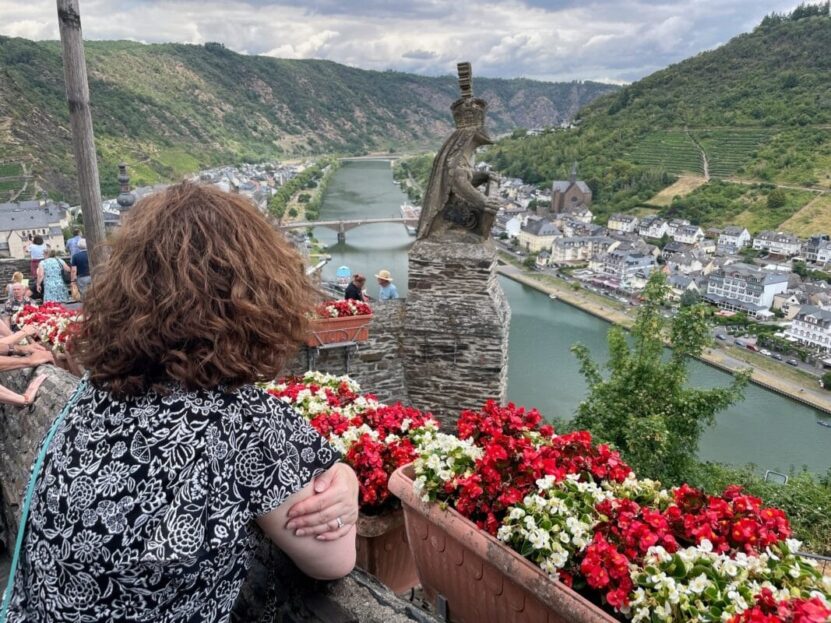
The Moselle Valley is a good example. Vineyards, river views, small villages. It’s slower, more relaxed, and centered around wine culture rather than sightseeing.
Then there’s the Harz Mountains, where you get forests, quiet towns, and fewer distractions. It’s known for preserved medieval towns and hiking routes that feel less commercial.
| Region | What Makes It Different |
| Moselle Valley | Wine culture, slower pace |
| Harz Mountains | Forests, historic towns |
| Upper Danube | Hiking, dramatic landscapes |
Each one gives you a different version of Germany.
Smaller Towns That Stay With You
There’s something about smaller towns that larger cities can’t replicate. You don’t plan much. You just move through them and pick up details.
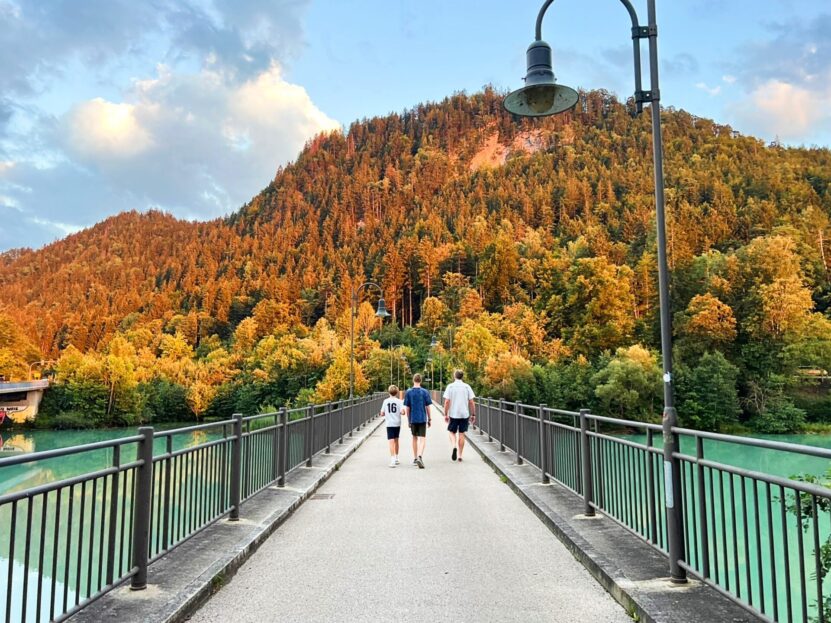
Places like Monschau or Quedlinburg aren’t built for mass tourism, even if they’re known. You notice the architecture, the pace, the way people interact.
Ahr Valley is another example. It combines scenery and wine culture without heavy crowds, which makes it easier to enjoy without rushing.
- Streets are quieter and easier to explore
- Local traditions are still visible
- You spend more time observing than navigating
These places don’t compete for attention. That’s why they work.
Unusual Experiences You Don’t Expect
Germany also has a side that feels slightly unexpected if you look for it. Not extreme, just different enough to break routine.
In Berlin, you can explore underground tunnels and former WWII shelters through guided tours. It adds a layer of history that most visitors skip.
Elsewhere, you find places like the Rakotzbrücke, a bridge designed to form a perfect circle with its reflection. It’s unusual, but also very precise in design.
Important: Many lesser-known sites are preserved with strict rules. Respecting access limits helps keep them intact.
These experiences are not about checking boxes. They stay with you because they feel slightly unexpected.
How to Plan Without Overplanning
The usual approach to travel planning doesn’t always work here. If you try to schedule everything, you miss what makes these places interesting.
Start with a region instead of a list. Pick one or two towns, leave space in between. Germany’s train system makes it easy to adjust as you go, so you don’t need a fixed plan.
Some simple ways to approach it:
- Focus on one region at a time
- Allow time for unplanned stops
- Avoid stacking too many destinations
This kind of travel works better when you give it room. Germany rewards that approach more than strict itineraries.
Questions Readers Ask
A Different Way to Experience Germany
If you take anything from this, it’s that Germany isn’t limited to its famous spots. The more interesting experiences usually sit just outside them.
You don’t need to avoid the big cities completely. Just don’t let them define your entire trip. Mix them with quieter places, different regions, and slower moments.
That’s where the shift happens. The country feels less like a destination and more like a place you understand, even if only a little.